Low water pressure in the shower is one of the most frustrating plumbing problems homeowners face. A weak shower can turn a simple routine into an annoying experience, but the good news is that many causes are easy to identify and fix without calling a plumber.
This guide will explain why your shower pressure is low and show simple DIY solutions you can try before spending money on repairs.
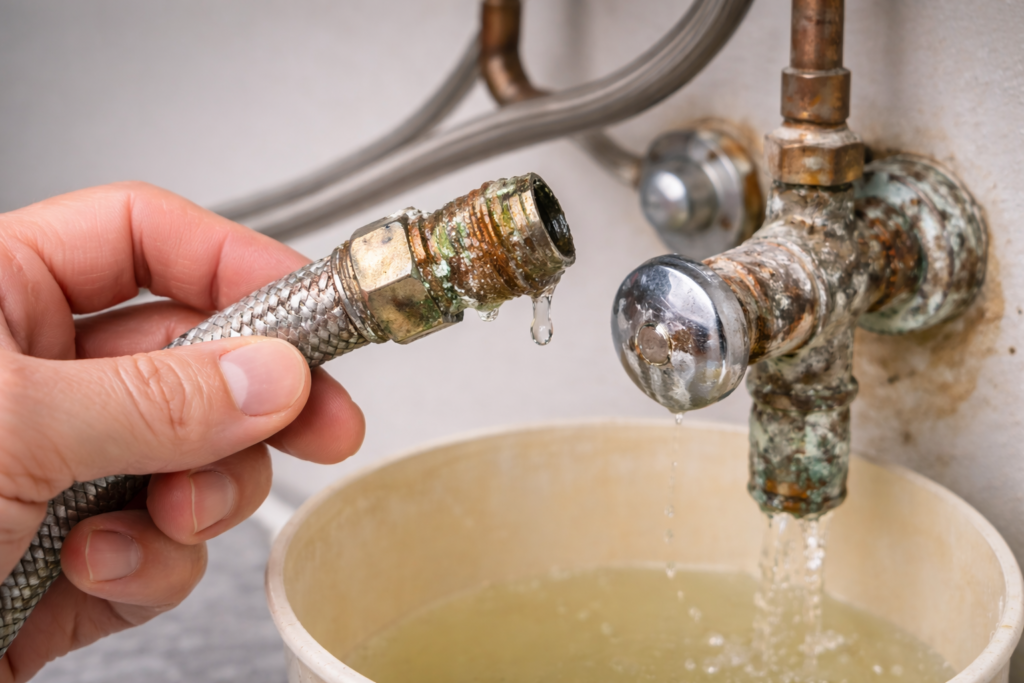
Low water pressure problems often start with flow restrictions inside the plumbing system.
What Causes Low Water Pressure in a Home?
Low water pressure is a common household issue that can make daily tasks frustrating. When water flow is reduced, it usually means something is restricting the movement of water through the plumbing system.
Understanding the cause is the first step toward fixing the problem safely and effectively.
Common Causes of Low Water Pressure
1. Mineral Buildup in Pipes
Over time, minerals from hard water can accumulate inside pipes and fixtures. This buildup narrows the pipe opening, reducing water flow.
2. Partially Closed Shut-Off Valves
Main water shut-off valves or fixture valves may not be fully open, especially after plumbing repairs or maintenance.
3. Old or Corroded Plumbing
Older homes with galvanized steel pipes are especially prone to corrosion, which restricts water flow over time.
4. Clogged Aerators or Fixtures
Faucet aerators and fixtures can become clogged with debris, sediment, or mineral deposits.
5. Hidden Leaks
A leak somewhere in the plumbing system can reduce pressure throughout the home, even if no water damage is visible.
Easy DIY Steps to Improve Water Pressure
Step 1: Check Fixture Aerators
Remove faucet aerators and rinse out any debris or mineral buildup.
Step 2: Inspect Shut-Off Valves
Ensure all water valves under sinks and near the water meter are fully open.
Step 3: Look for Visible Leaks
Check under sinks, around appliances, and near exposed pipes for signs of leaking water.
Step 4: Clean Fixtures
Soaking fixtures in vinegar can help dissolve mineral deposits and improve water flow.
When to Call a Professional
If low water pressure affects the entire home and basic fixes do not help, the issue may be inside the main plumbing lines. In these cases, contacting a licensed plumber is the safest option.
Important Safety Note
DIY repairs should only be attempted if you are comfortable working with basic plumbing components. Always follow local building codes and stop work if a repair feels unsafe or beyond your skill level.